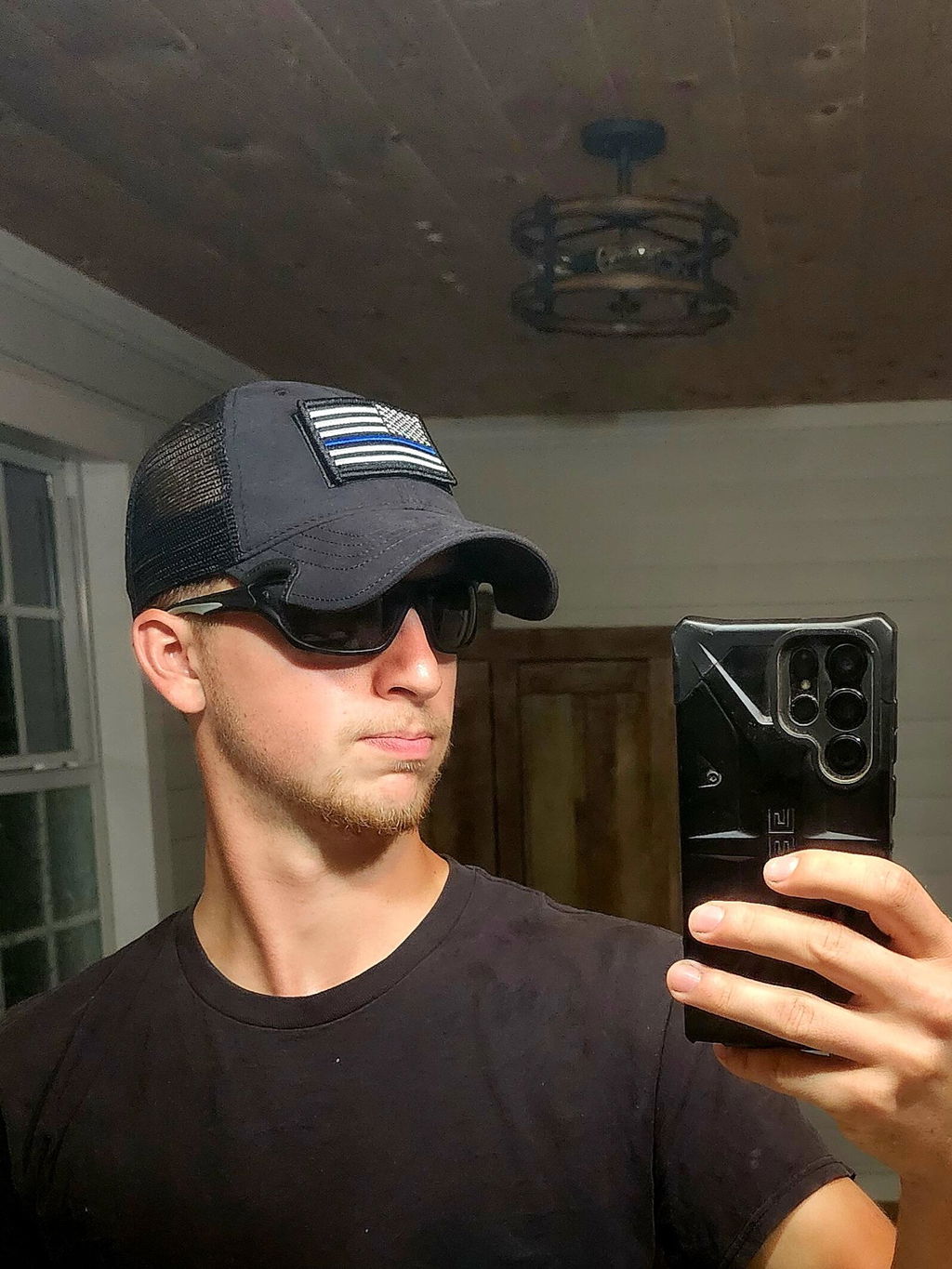
How to Get Sweat Stains Out of Hats: Easy Cleaning Tips

Ever gone to wear your favorite hat and noticed a sweat stain or two? Even if you don't consider yourself a particularly sweaty person, your head will naturally sweat when its access to air is restricted by a hat.
Nobody wants to wear a hat with visible sweat stains, so if you want to know how to get sweat stains out of hats, this guide will help you achieve just that.

Why Sweat Stains Happen
Everyone sweats, but what causes sweat stains? These usually form when moisture from your skin mixes with body oils and salt, as well as any products you use on your hair, which gradually soaks into the fabric of your hat over time.
You're especially likely to find sweat stains on the parts of your hat that have direct contact with your head, including along the inner band and underside of the brim. If you wear your hat during a sweaty workout or in the heat, you'll find that the stains build up faster.
Lighter-colored hats show sweat stains more clearly, but that doesn't mean dark hats don't get dirty! You might notice salt lines in a darker hat, and it'll probably take on a stiff texture.
Make sure you treat sweat stains as soon as you spot them, or you'll have a hard time getting rid of them when you eventually come to clean your hat.
Best Cleaning Methods for Different Materials
The type of cleaning method you should use for your hat depends on the materials it's made of. Let's look at how to remove sweat stains from hat materials you're most likely to have in your closet.
Cotton Caps
If you have a sweat-stained cotton cap, like most baseball caps, your best cleaning method is hand washing.
For this, just fill a bowl or sink with cool or warm water (not hot!) and add a bit of gentle detergent. Submerge the hat and scrub the yellow sweat stains with a soft cloth or sponge. Let the hat air dry completely and make sure the brim is supported so it keeps its shape.
Wool and Felt Hats
Wool and felt hats will need more care because they're more prone to permanent damage from washing them incorrectly.
In this case, you absolutely shouldn't soak your hat. The safer alternative is to dab the stain with a clean, damp cloth and a small amount of mild detergent or soap. After you've finished cleaning, blot away any excess moisture and leave the hat to dry naturally. If you're dealing with tough sweat stains, we recommend investing in a fabric-safe stain remover that's meant for wool.
Synthetic Material Blends
For a hat that's made with synthetic blends like polyester, the safest method of removing sweat stains is with gentle spot cleaning.
Use detergent that's been diluted in water or an oxygen-based cleaner, and apply it with a soft brush or sponge. Follow up with a careful rinse using a clean cloth.
Straw Hats
There's one key thing you should know about straw hats: they should never be soaked.
If you want your hat to live to see another wear, the safest cleaning solution is to gently wipe away salt marks or discoloration with a clean, dry cloth. Whatever you do, don't rub the area—this can damage the weave.
Once you're done, let the hat dry naturally in a cool, shaded spot.
If you're worried about damaging your hat with any detergent or cleaning product, we recommend testing it on a small area first.
DIY Home Remedies That Work
Don't want to invest in any expensive cleaning products? The good news is that in most cases, you won't have to. If you prefer to take the DIY route, you have a few different options to try.
If you want to remove sweat stains from hat materials like cotton or polyester hats, try making a baking soda paste. Just mix a teaspoon of baking soda with enough water to form a paste, then apply it to the stain and let it sit for 30 minutes. Gently scrub the area, rinse with a damp cloth, and let the hat air dry.
White vinegar also makes for an effective hat cleaner, especially if you're dealing with yellow stains. Just mix one part vinegar with one part water and apply it to stubborn sweat stains with a cloth or spray bottle. Blot the area and leave it to dry naturally.
What if the milder natural hat cleaning methods aren't working? You can try using hydrogen peroxide, but only on pale-colored or white hats (peroxide causes dark hats to fade). Mix equal parts peroxide, baking soda, and water, then apply the formula to the stained spots with a toothbrush. Scrub the area lightly, then wipe it clean.
Lemon juice and water can also work well as the acidity helps break down sweat residue, especially if your hat is made from cotton fabrics. Just don’t use this one on wool, silk, or straw.

Products to Help Prevent Future Stains
Ideally, you want to prevent sweat stains in the first place, so you don't have the hassle of cleaning your hats regularly.
If you're really committed to the cause, you could buy a hat liner or sweatband to absorb moisture before it hits the fabric. You can also get stick-on liners or reusable bands that fit inside the brim. They'll need cleaning too, so you should swap or wash them (depending on their intended use) regularly.
There are even hat sprays you can buy that are designed to repel moisture by coating the fabric, making it more resistant to sweat. You usually need to reapply these every few weeks—read the label to be sure.
From a personal hygiene perspective, it's a good idea to wash your forehead before you wear your hat to remove oil and product that could be transferred over. Ideally, try to avoid wearing a hat when you're exercising, or at least rotate your workout hats so each one gets a break.
How Often Should You Clean Your Hat?
So now you know how to get sweat stains out of hats, but how often should you do it?
This solely depends on how much you wear your hat and what you're doing when it's on your head. It might need cleaning as much as once every week if you wear it daily or during workouts, or as little as once a month (or whenever you notice unsightly sweat marks) if you only use it occasionally.
Looking to replace an old, sweat-stained hat with a brand new one? We've got all the baseball hats you could want at Notch Gear.